

Using A&E Skills to Fight COVID-19
| Share with
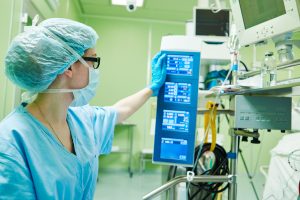
Emergency care is a unique area that’s certainly not for the faint-hearted. Crash trolley, resuscitation procedures, scary endotracheal instruments, adrenaline vials, blood on the floors, saline drips all over the place, shouting, fuss, anxiety, oxygen masks, and a whole lot of chaos. Yes, that sums up a typical day in A&E departments.
What is it like to work in such a chaotic atmosphere?
It gets your adrenaline going every time. It’s a high-pressure and fast-paced environment that requires you to think on your feet. It’s a place that will make or break you.
The challenge is to remain calm under manic and challenging working conditions. Emotions will be swirling around the room, especially during major accidents and emergencies, such as car crashes, cardiac arrests and traumatic incidents.
It takes a particular resilience from a nurse or doctor to care for patients in this atmosphere. A steady, calm and decisive person. This is the type of person that our NHS needs now: a person with skills to triage and implement treatment with a cool level head.
You need to adapt rapidly to ever-changing situations within A&E; you will have flexible attitudes and an approach that works well with critical patients in devastating circumstances. A tough but gentle approach.
If you can hold your composure and thrive on working in a rapidly evolving unit then A&E is for you.
Transfer those skills into the frontline of the battle against COVID-19
If you have emergency department experience, the NHS welcomes your empathy, care and compassion, along with the unique ability to prioritise, make decisions and act in a fast, effective and calm manner.
Register today to be tomorrow’s frontline fighters.
24 Apr 2020 | Leave a comment
Share with socials